People often ask me to recommend Airbnbs in London, and I always have to disappoint them. I used to think short-term rentals were a harmless alternative to hotels, but living through London’s rental crisis changed my mind.
The reality is that Airbnb has had a serious impact on housing availability for actual Londoners, and that’s before you get into the legal grey areas most listings operate in.
Here’s why I don’t recommend Airbnb in London, and why it really matters where you choose to stay.
A brief history of Airbnb
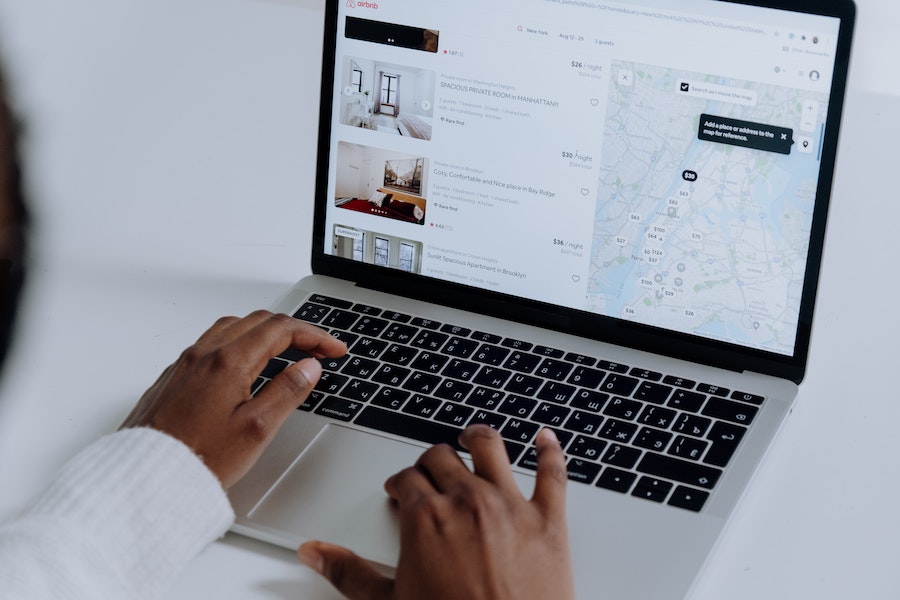
Airbnb was unofficially started when its two founders were living in San Francisco and struggled to afford their rent (the irony). There was a conference coming to town, so they “rented out” their flat and acted as tour guides for their guests.
And from there, the idea was born, with a vision to allow regular people to make some money letting strangers stay in their house or flat.
The site grew quickly, and is probably bigger than anyone could have imagined it would be.
How Airbnb changed the travel accommodation industry
According to Statista, Airbnb has now become one of the giants of the online travel market, with around five million hosts listing their properties on the platform and over 2.5 billion guest arrivals as of 2025, so it’s ignorant to think the company will be slowing down any time soon.
Airbnb has completely changed how many people travel, providing an alternative to the traditional hotel room that doesn’t always work for every sort of trip. A disruptor for such an old industry is usually good, as it keeps everyone on their toes and usually benefits the consumer.
But with so many users and such high demand for Airbnb rentals, there was and still is a lot of money to be made, by both individual hosts and property developers and short term-let management companies. But while Airbnb, property owners, and tourists might be benefitting, studies have shown that this all can negatively impact the local community in more ways than one.
How “the Airbnb effect” negatively impacts the housing market
Those who paid at least a bit of attention in economics class know that when supply goes down and demand stays the same or increases, prices go up. This is why so many cities around the world are experiencing major housing crises, as there is a lack of additional (affordable) housing, yet more people are moving to cities and the demand for housing has increased. Therefore, prices increase at unmanageable rates, like in London, where the average price of rent only continues to rise year-on-year.
These crises have been going on for a long time, and the blame can’t fully be put on Airbnb. But the truth is that unfortunately in many of these cities, we’re seeing tons of properties that used to be rented long-term to local residents get pulled off the market and instead are listed as Airbnb rentals because of the profit potential.
In fact, Airbnb homes have the potential to generate 30% to 100% more income per month than long-term rents. So, the more properties that are converted to Airbnbs, the more that the long-term housing market shrinks, causing rental prices for locals to increase even quicker.
Other negative effects of Airbnb on the locals
It’s not just the market shifts that are a problem. Airbnbs threaten to diminish local communities, displace long-term residents, often cause a nuisance for neighbours, and pose safety issues for housing blocks that have communal entrances and areas. Just a quick Google search will bring up hundreds of articles of people who have dealt with theft, violence, noise violations, and more, all because a neighbour was renting their property on Airbnb.
There’s also the problem of hosts who don’t disclose their Airbnb earnings to the tax man, which means that the local economy gets almost no benefit for the rental. When compared to a hotel stay, which is usually taxed fairly heavily, this represents a significant loss in tax revenue for the local economy. Hotel stays also help to support the jobs of many staff, while an Airbnb rental provides one cleaner a one-off job (if the host doesn’t do the cleaning his or herself) and after Airbnb fees and taxes, the rest goes to one company or person.

Eek. So what has the London government done to mitigate this?
Across the world, we’re seeing a ton more regulations placed on Airbnb rentals in cities that are trying to keep long-term rentals from being taken off the market. For example, travel hot spots like Barcelona, Santa Monica in Los Angeles, and Palma in Mallorca have outright banned Airbnb rentals altogether. Other cities like Amsterdam and Paris are greatly restricting the ability to get a license to host on Airbnb or limiting the amount of days hosts can rent out their properties.
A few years back, London Mayor Sadiq Khan introduced a 90-day rule, saying that hosts who rent entire properties are only allowed to do so for 90 days per year. Unfortunately, this has had little positive impact and it remains remarkably easy for property owners to skate around. A 2025 Savills report commissioned by Central London Forward found that of the 117,000 homes listed for short-let across London, more than half were being let for over 90 days, meaning the majority of entire-home listings in the capital are operating in breach of the law. Enforcement has proven painfully slow: Westminster City Council, one of the most affected boroughs, opened 499 investigations in 2025 and issued just 22 notices. As this highly unethical article demonstrates, getting around the rule doesn’t exactly require a criminal mastermind either.
On top of that, there are currently no restrictions on renting just a room in a London home on Airbnb, which is still detrimental to the market as it reduces the amount of room rentals available to low-income Londoners. So many young people and those on low wages rely on renting a room to be able to live in London, so this harms the most vulnerable.
What your Airbnb booking does to Londoners like me
I’ve covered this pretty extensively already, but the more demand that there is for Airbnb rentals in London, then Londoners will in effect be dealing with a continued increase on already VERY expensive rents, less power when it comes to shitty landlords (because there won’t be many other flats to move to instead), and neighbourhoods that turn from friendly and welcoming to a jumping-off base for tourists who may or may not respect those who still live there.
I also personally worry about how Airbnb rentals give strangers access to my building, meaning they could just walk up to my door and well… who knows what they might do. It’s not their flat or their building, so the consequences are minimal.
Should you stop using Airbnb altogether?
For London? Yes. For the rest of the world? No. Airbnb rentals can make a positive impact on communities, primarily on areas that don’t have housing shortages… which rules out most cities.
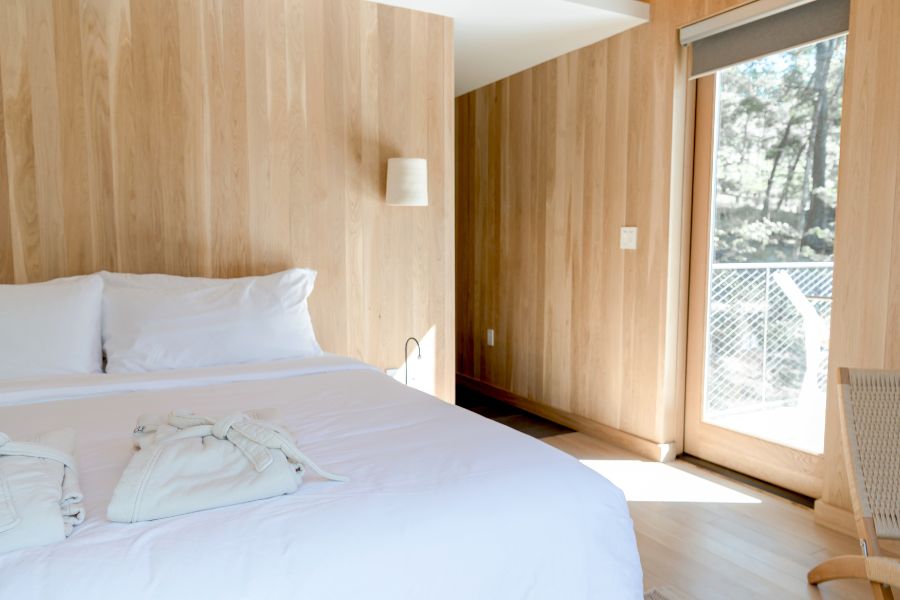
For example, a few years ago, my friends Iz and Johnny Harris purchased a church dating back to 1872 in a rural area in Virginia and transformed it into a beautiful weekend escape spot, giving guests the chance to explore the beautiful Skyline Drive just fifteen minutes away, and some of the more local community areas that could benefit from a bit of tourism.
So don’t worry, I’m not telling you to cancel Airbnb altogether! Just use it responsibly.
What are suitable alternatives for my London trip?
Other sites like Plum Guide, VRBO, Homeaway and Booking.com’s flat booking feature all are exactly the same as booking with Airbnb, as these platforms are still allowing property owners to list properties for short-term rental that would have otherwise been on the long-term rental market, decreasing demand for Londoners, and therefore increasing rental prices.
Here are your alternatives.
Hotels
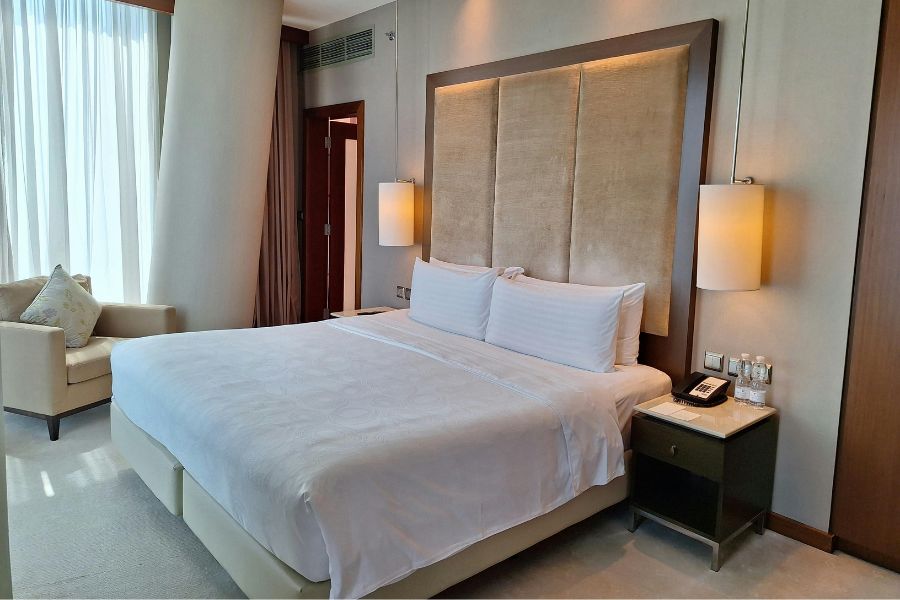
Obviously, we still have hotels. There are tons of really good ones around London at almost every price point imaginable. We have a whole section on our website recommending the best ones.
As mentioned earlier, when booking a hotel, your tourist dollar helps to employ many people, like cleaners and front desk staff, and usually doesn’t just go to one person’s pocket.
Here are some articles to start with to help you on your hotel search:
Hostels
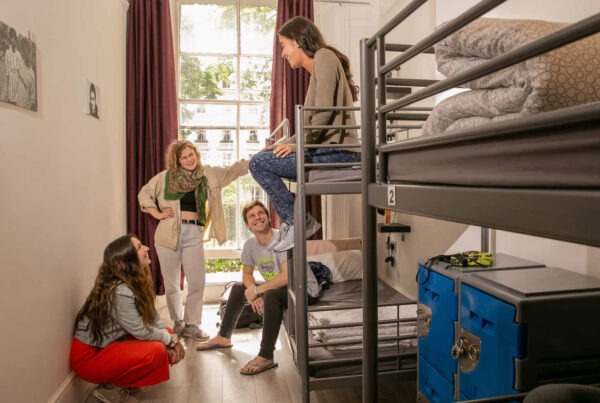
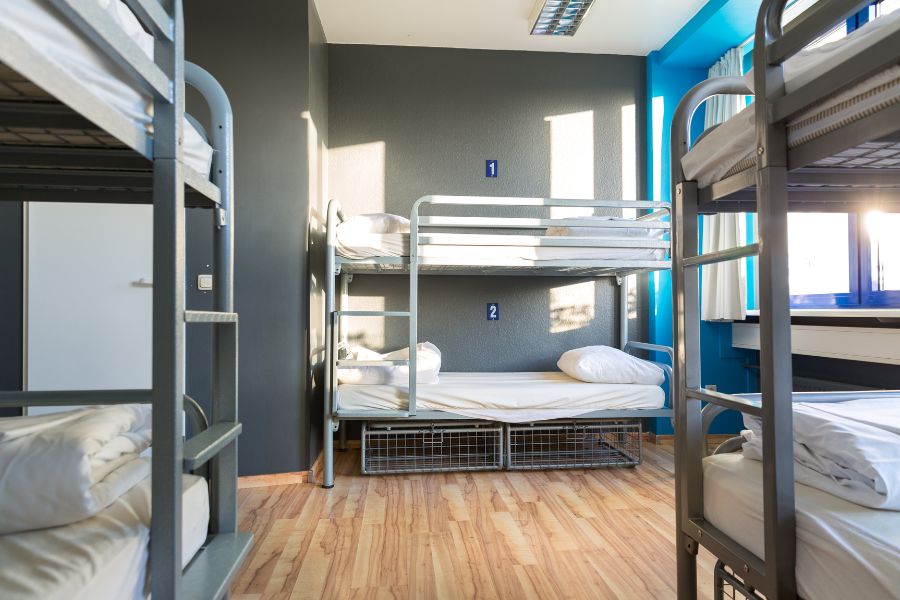
If you’re keen to have a kitchen, you could opt for a hostel with kitchen access. When doing your search on Hostelworld, choose the filter “self-catering facilities” and you’ll see only the hostels with kitchens that guests are welcome to use. Rent a bed if you’re on a budget or go for a private room if you don’t want to share with strangers.
Apart-hotels
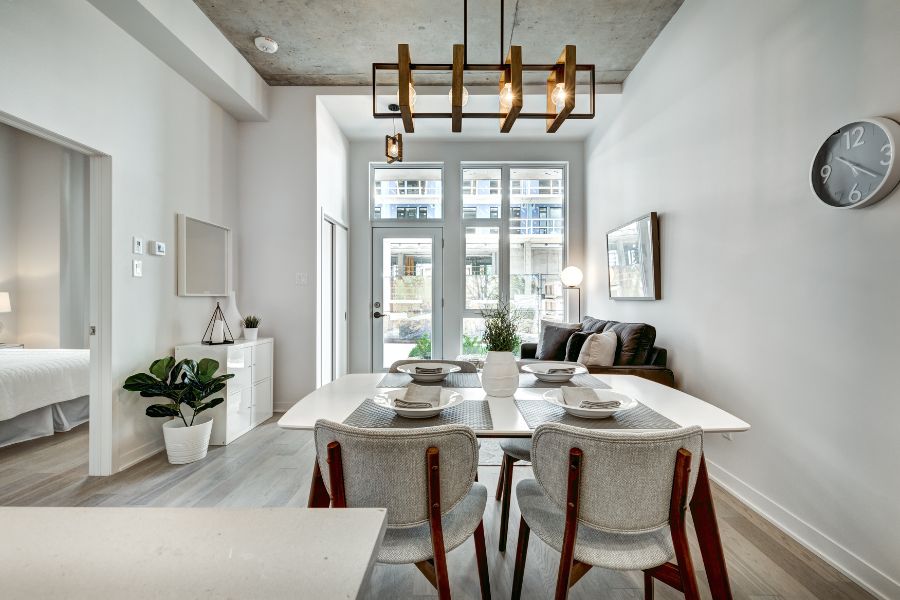
More and more apart-hotels are popping up around London, giving you the best of both worlds. You get a kitchen and living space like you might in an Airbnb, while also having the comforts of a hotel with things like front-desk staff that can assist you when needed and daily or weekly cleaning (yay).
Some options to have a look at for apart-hotels in London are Bermonds Locke, Cheval Residences Three Quays (with amazing views of Tower Bridge and apartments for up to six people), and Tower Suites by Blue Orchid (also with great views and apartments holding up to three people). For more options, read Best Apart-hotels to Stay in in London.
Honestly, I don’t miss using Airbnbs that much. Recently while traveling, I’ve found that when I book an Airbnb because I want access to a kitchen, that I don’t actually use the kitchen, except for the fridge. So booking a hotel with a fridge in the room is usually sufficient for me, as I can keep things like milk and yogurt in there for in-room breakfast, and I can store leftovers from restaurants to eat the next day too.
If you do still want a kitchen however, the links above should be helpful.
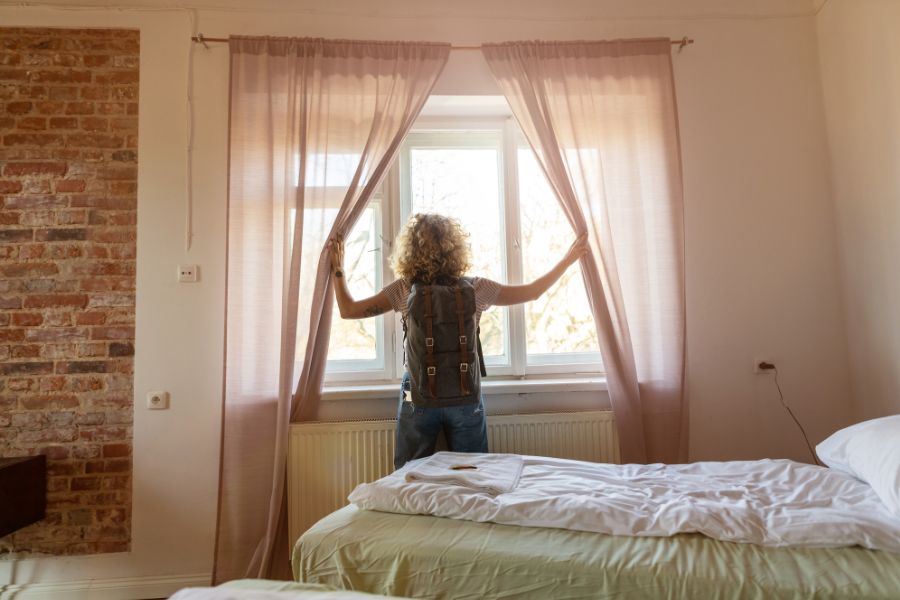
What if I book a room in someone’s home, and not the whole flat?
Often, the “host” isn’t actually allowed to do this as per their lease agreement or if they own the property, the building that the flat is in does not allow this type of short term rental.
If it is allowed, as mentioned earlier, this is still taking a room away from a potential long-term tenant, leaving us with the same argument and problem. So I would still recommend not to do this.
If you’re on a budget, you can get a similar experience to renting someone’s room by booking a private room in a hostel with a kitchen.

Remember that where you spend your money matters.
When you travel, your money counts as a “vote” for what you care about and support in the place you are visiting. So if you’re still considering booking an Airbnb in London, it’s important to keep in mind that your booking negatively impacts Londoners, and how would you feel if this crisis was happening in the city or town that you rent in?
Looking for more tips to help you plan your next London trip? Read next: